LYNX & LYNX V2 - MicroMouse
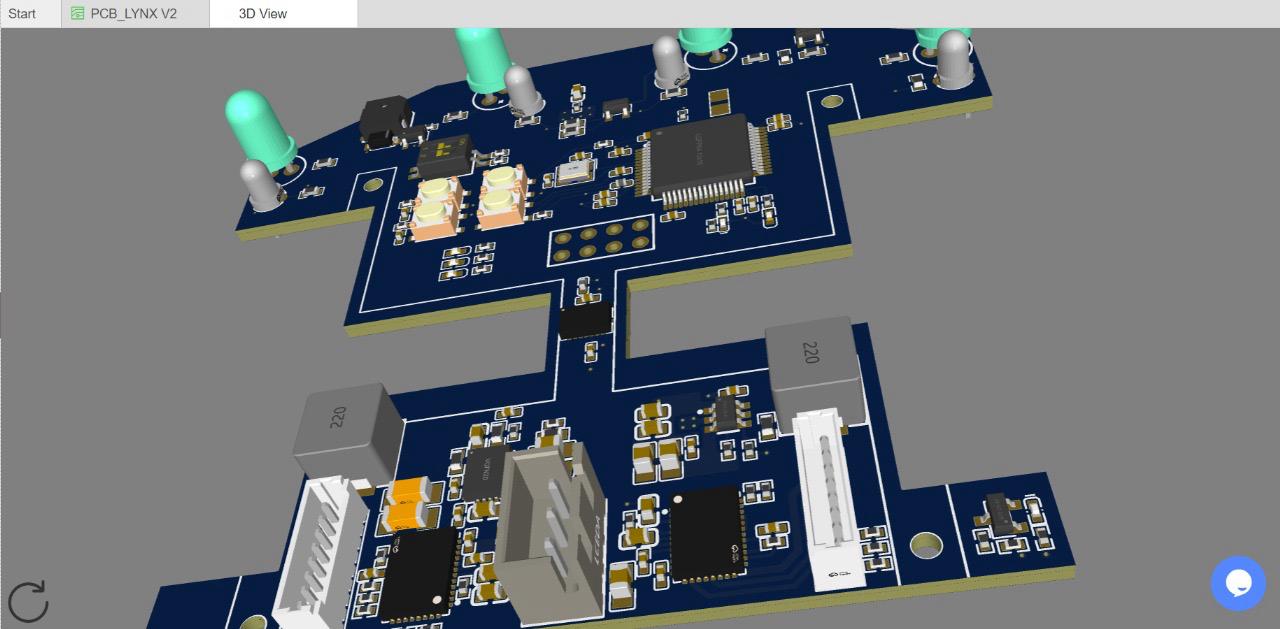
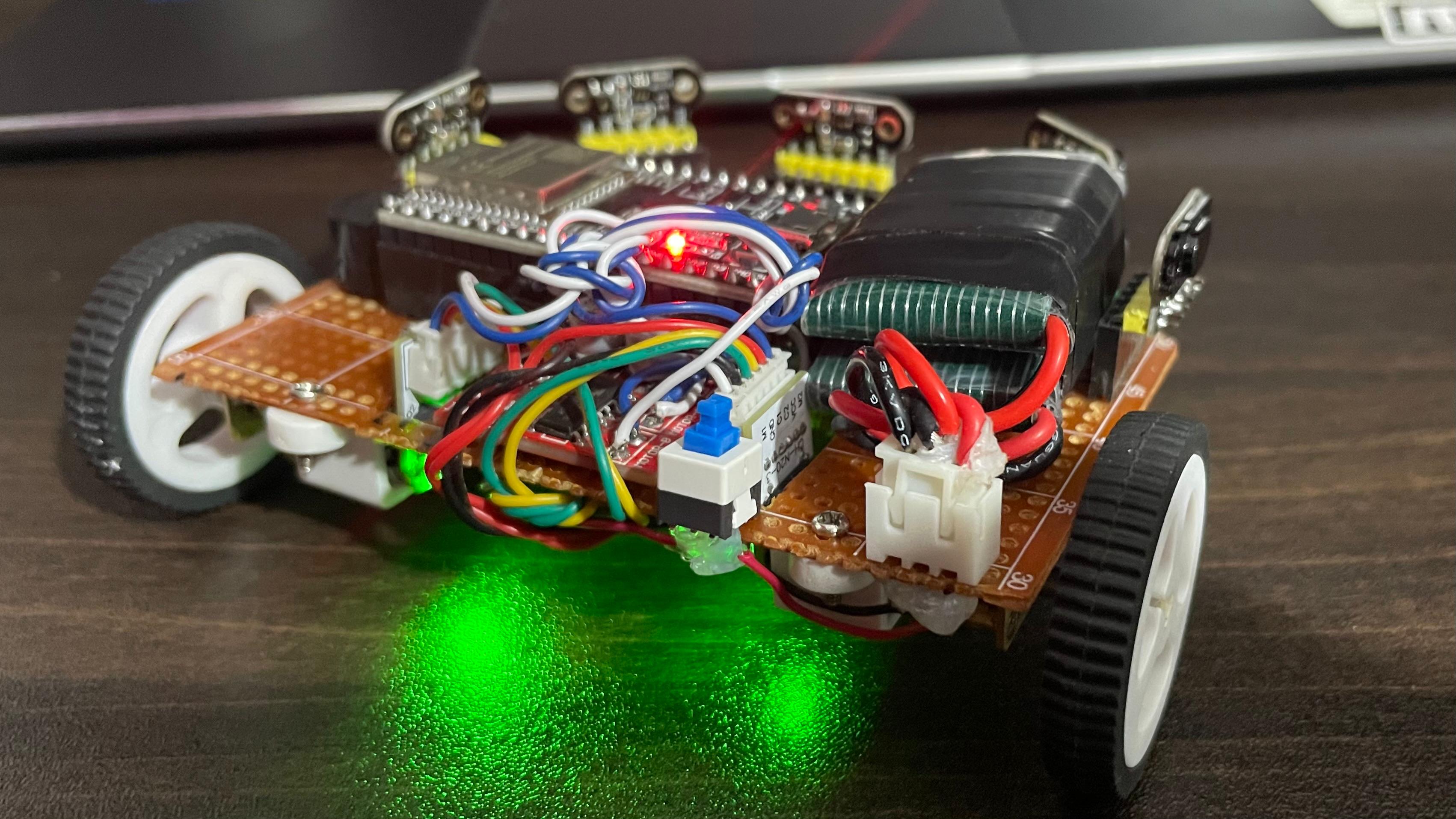
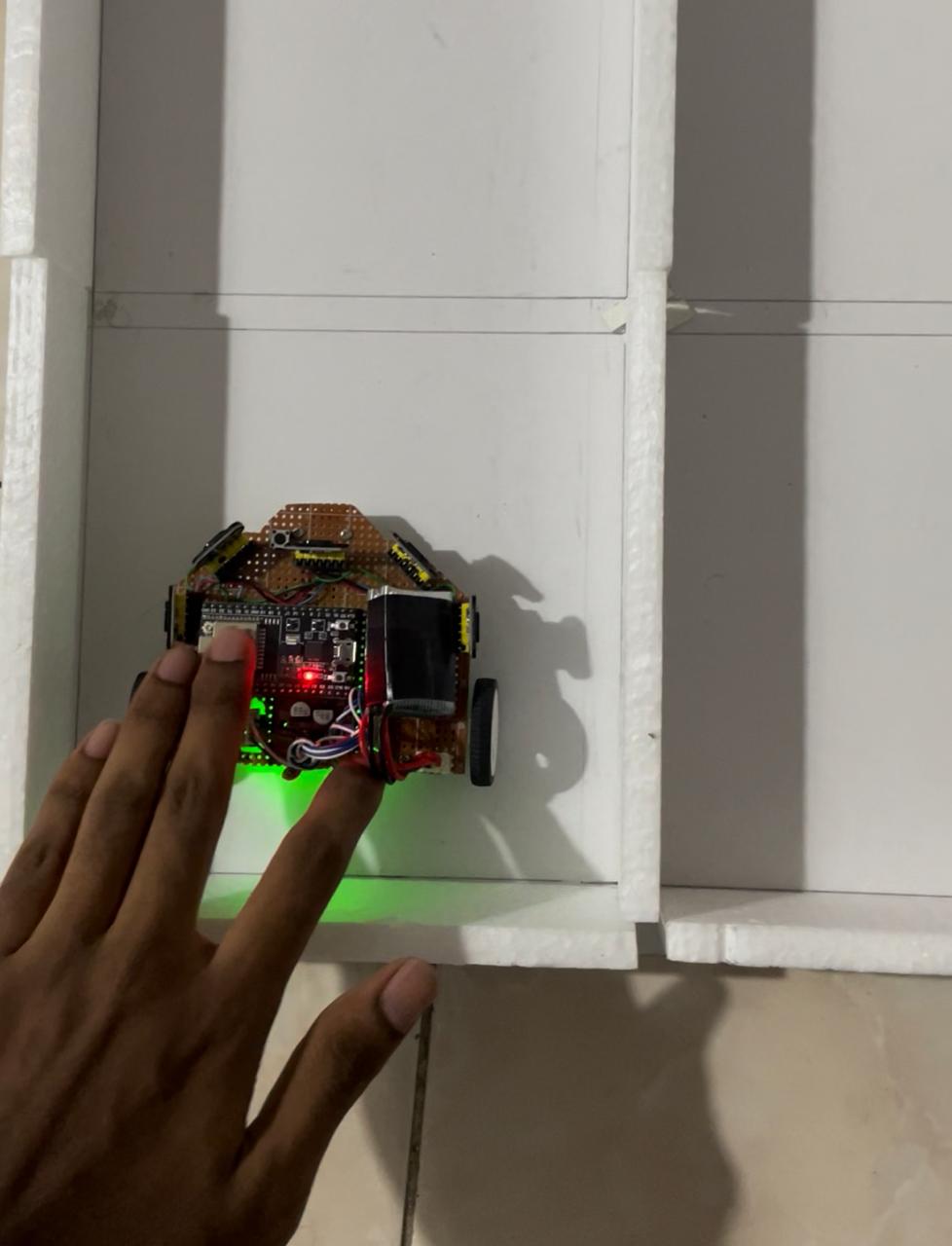
One maze-solving MicroMouse across two generations: the original LYNX, then LYNX V2 rebuilt on a fully custom PCB with brushless motors.
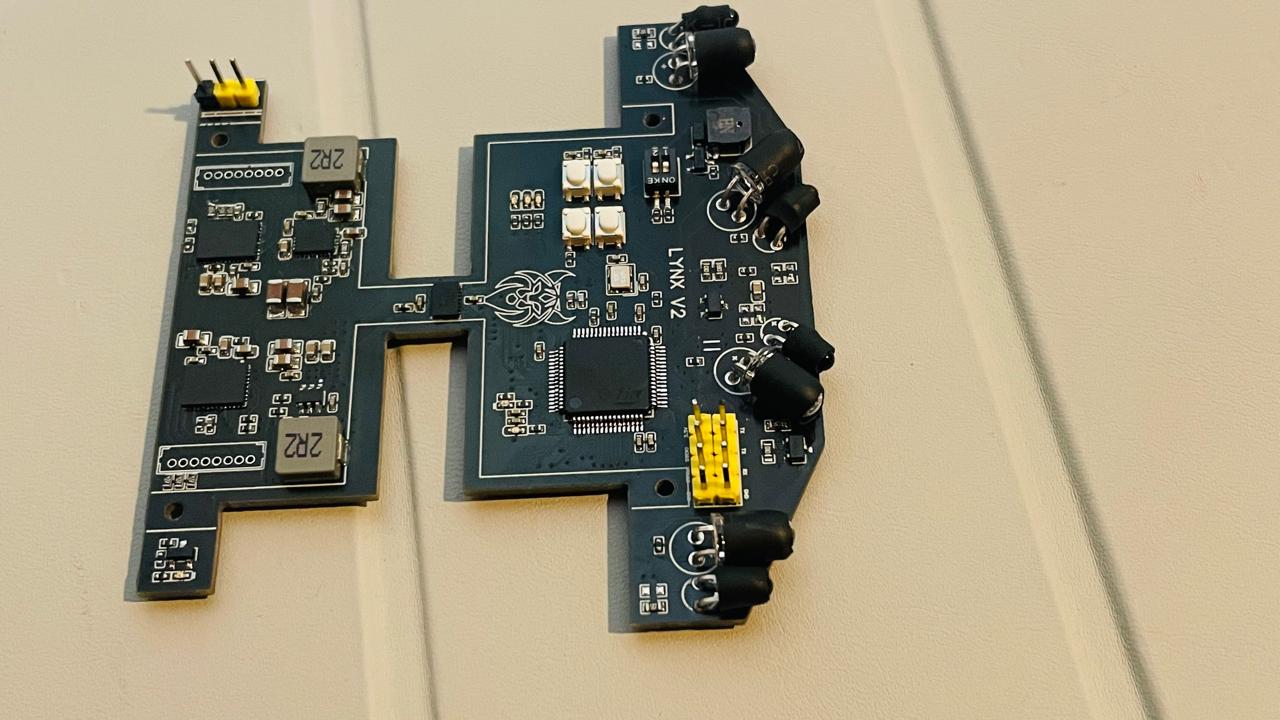
LYNX is my MicroMouse line, told across two builds. The original LYNX was the first maze-solving robot; LYNX V2 is a ground-up rebuild around a fully custom PCB. The headline choice in V2 is the drivetrain: ESC-controlled brushless motors with a purpose-built gear system, chosen for raw speed and acceleration where most micromice use small brushed motors.
Beyond maze solving, V2 carries line following, colour detection and object handling - a superset of the classic MicroMouse brief - and folds in the lessons the first LYNX taught about weight, drive and control.
Highlights
- Two generations: the original LYNX, then LYNX V2 on a fully custom PCB.
- V2 carries the STM32 brain and motor electronics on one board.
- ESC-driven brushless motors with a custom gear train for the wheels.
- Line following, maze solving, object detection, colour detection and object handling.
From LYNX to LYNX V2
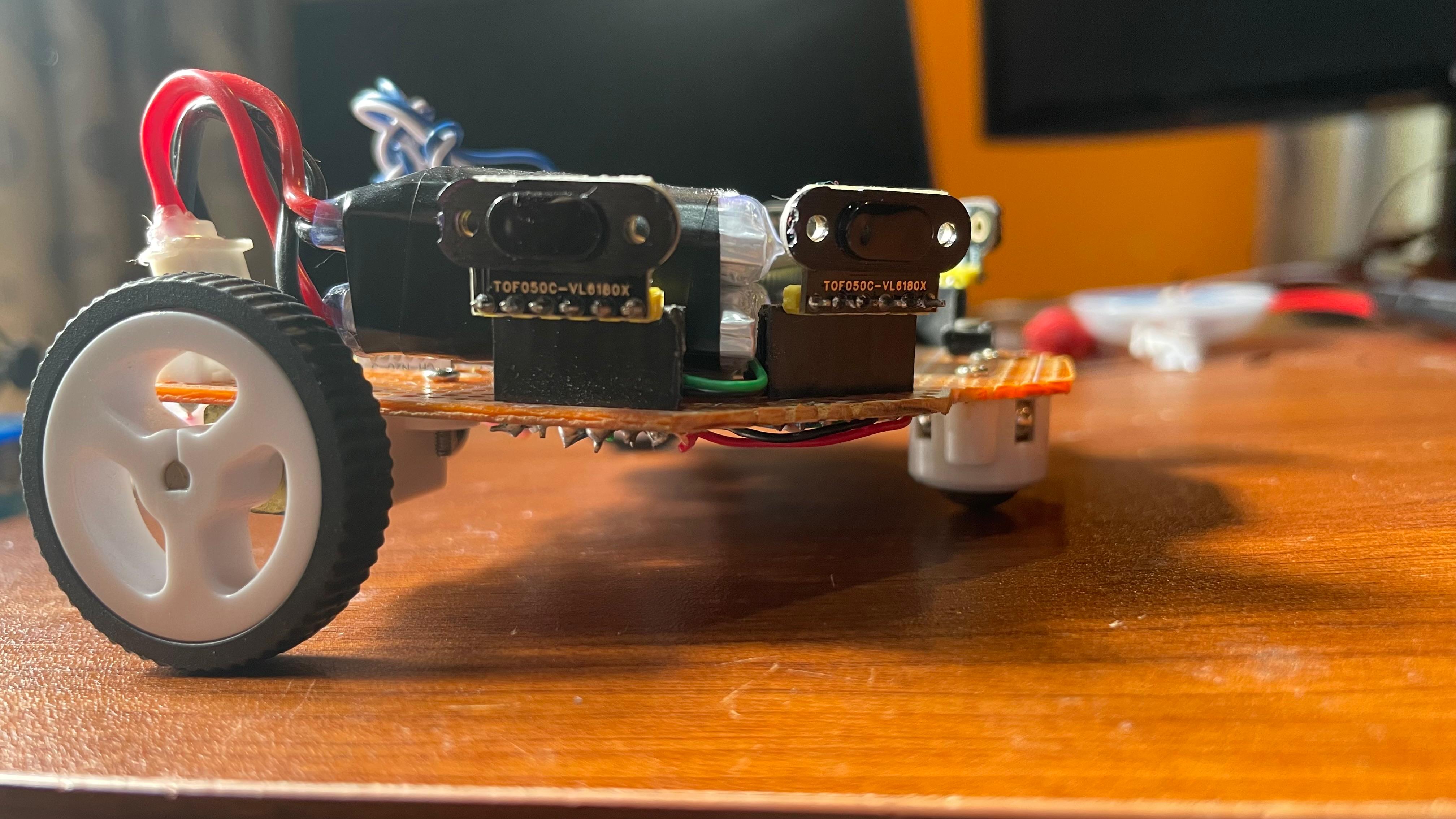
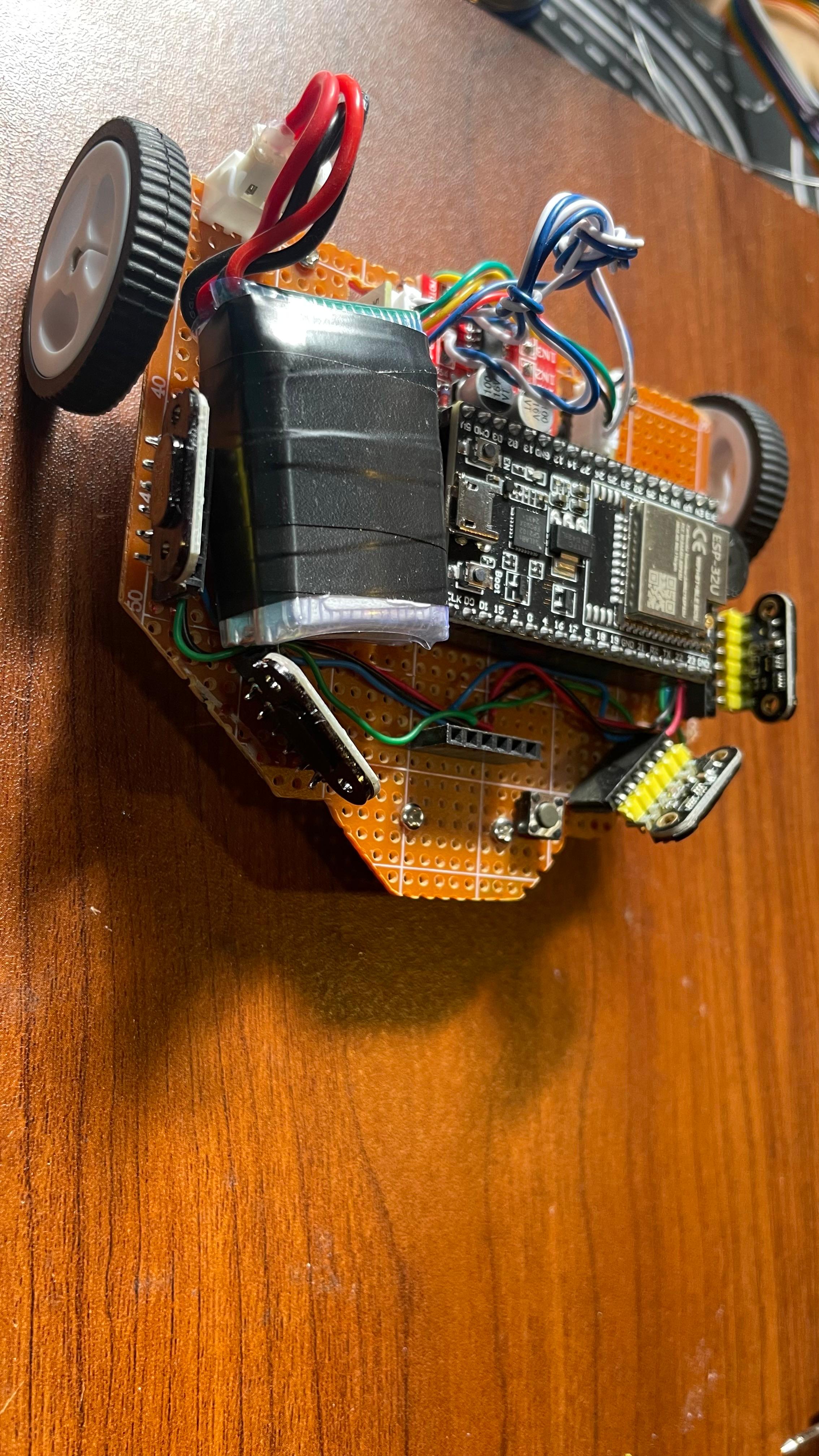
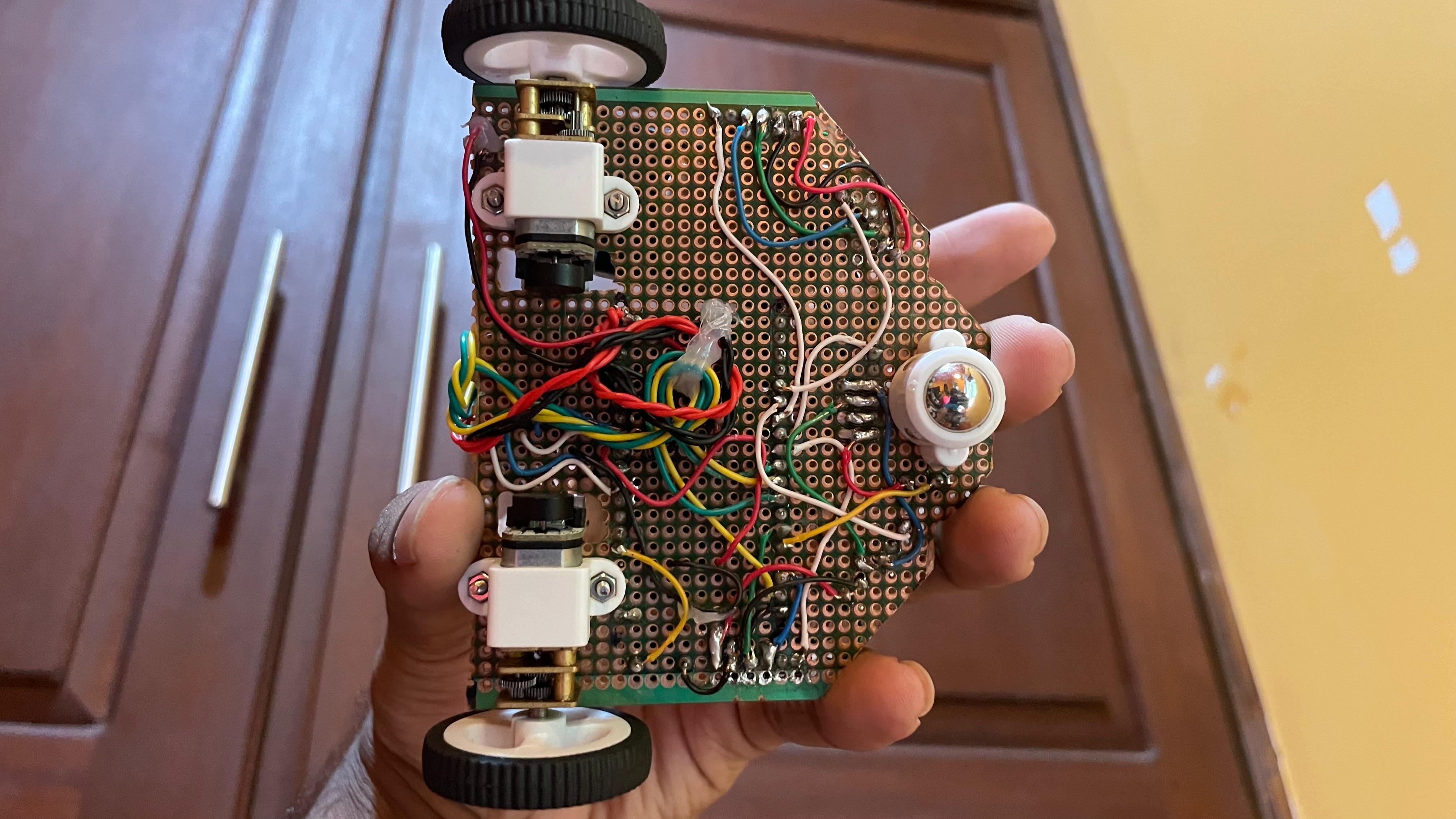
The original LYNX proved the maze-solving loop and exposed the real limits: weight, drivetrain response, and the fragility of a wired-together prototype. V2 answers each of those, which is why it is a rebuild rather than a patch.
Why brushless on a micromouse
Brushless motors are unusual at this scale - they're harder to control precisely at low speed than geared brushed motors. The bet is that the power-to-weight and top-end acceleration pay off across a maze, provided the control and gearing tame the low-speed behaviour. That trade-off is the whole personality of the robot.
One board to reduce failure points
Moving from a wired-together prototype to a single custom PCB removes the connectors and flying leads that fail under vibration - which matters when the robot is accelerating hard into walls it's trying not to hit.
Stack
Compute
- STM32
- ESP32 (earlier rev)
Drive
- Brushless motors
- ESC
- Custom gears
Sensing
- Line
- Colour
- Object detection
Gallery